Primrose Hill Storage Recycling and Sustainability
 At Primrose Hill Storage, sustainability is built into the way we work every day. Our recycling and sustainability approach focuses on reducing waste, improving material recovery, and supporting cleaner logistics across the communities we serve. We aim for a recycling percentage target of 90% for suitable operational waste streams, while continuing to improve how we separate, sort, and divert materials from landfill. This includes paper, cardboard, plastics, metals, shrink wrap, and wooden packaging from storage and transport activities.
As part of our Primrose Hill storage sustainability strategy, we work with local transfer stations and licensed recycling facilities to keep waste moving through responsible routes. These nearby transfer points help consolidate material efficiently before it is processed for reuse or recycling. In practical terms, that means recyclable items are separated early, compressed where appropriate, and sent to the right facility with less unnecessary transport. This supports cleaner operations and helps reduce the environmental impact associated with storing, moving, and handling goods.
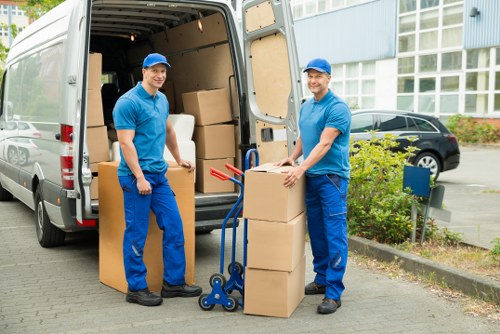 We also recognise that local boroughs often use different waste separation systems, and we align our practices with those expectations wherever possible. In many areas, mixed recyclables, food waste, glass, and general refuse are collected separately, so we keep operational waste streams clearly labelled and sorted to reflect that approach. By following local waste separation methods, Primrose Hill Storage recycling becomes more effective and more compatible with borough collection and processing requirements. This is especially useful for materials such as cardboard, plastics, and metal containers, which can have high recovery rates when handled correctly.
Responsible Resource Use
We see sustainability as more than disposal. It also means extending the life of materials through reuse, repair, and redistribution. Packaging materials that are still in good condition may be reused internally or passed on through our charitable partnerships. This approach helps reduce demand for new materials and keeps useful items in circulation longer. In our day-to-day storage recycling work, we look closely at what can be salvaged before anything is classified as waste.
 Our partnerships with charities are an important part of this process. Usable shelving components, packing materials, office items, and surplus household goods may be directed to community organisations where they can support people in need. These collaborations reduce waste while giving a second life to equipment and items that still have value. Charitable reuse is one of the most practical ways to combine environmental responsibility with local social benefit, and it reflects our wider commitment to a more circular way of working.
We also encourage careful handling of specialist recyclable materials that often arise in storage and removals settings. For example, wooden pallets can be repaired or recycled, metal fixtures can be separated for scrap recovery, and clean cardboard can be baled for efficient processing. Where appropriate, soft plastics and wrap are collected separately to improve material quality. These everyday actions support the wider goals of Primrose Hill Storage sustainability by making sure fewer usable resources are lost at the point of disposal.
Low-Carbon Transport and Smarter Operations
Transport is another area where we are making meaningful improvements. Our fleet includes low-carbon vans designed to reduce emissions during local journeys, helping lower the footprint of collections, deliveries, and internal transfers. By using more efficient vehicles and planning routes carefully, we reduce fuel use without compromising service. This matters in dense urban areas, where stop-start driving can increase emissions if journeys are not managed well.
We also look at how load optimisation can reduce unnecessary trips. Consolidating collections, using shared routing, and matching vehicle size to the task all help cut carbon. These steps may seem small, but together they make a significant difference to the overall environmental impact of Primrose Hill storage recycling operations. Combined with better waste sorting and responsible partnerships, low-emission transport gives us a practical way to reduce our carbon intensity across the full service chain.
 Another important part of our sustainability work is staff awareness. Team members are encouraged to separate recyclables carefully, identify reusable items, and follow the correct channels for waste streams that require specialist handling. This includes keeping clean paper and cardboard dry, isolating metals, and avoiding contamination in mixed bins. Such measures improve recovery rates and support borough-level waste separation expectations, which often depend on clean, well-sorted material entering the system.
Building a Circular Future
 Looking ahead, Primrose Hill Storage remains committed to improving its environmental performance through better recycling, stronger charity partnerships, and continued investment in low-carbon vans. Our long-term aim is not just to meet compliance standards, but to go beyond them by embedding sustainability into everyday decision-making. With a targeted recycling rate of 90% for appropriate waste streams, and with ongoing collaboration across local transfer stations and community partners, we are building a cleaner and more efficient operation.
Primrose Hill Storage sustainability is guided by practical action: reduce what we throw away, reuse what we can, and recycle as much as possible. By paying attention to local borough waste separation practices, supporting charities, and using lower-emission vehicles, we help create a system that is better for customers, communities, and the environment. In this way, recycling at Primrose Hill Storage becomes part of a wider commitment to responsible growth and lasting environmental care.